Sale!
,

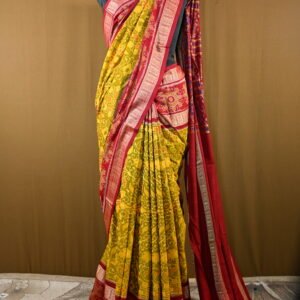
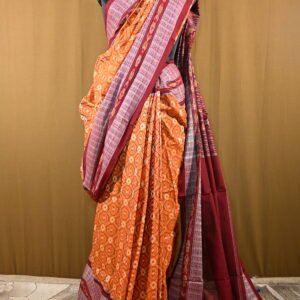
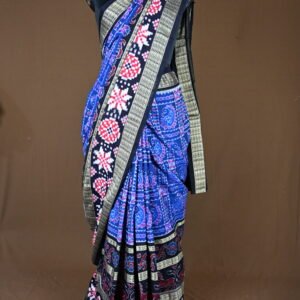
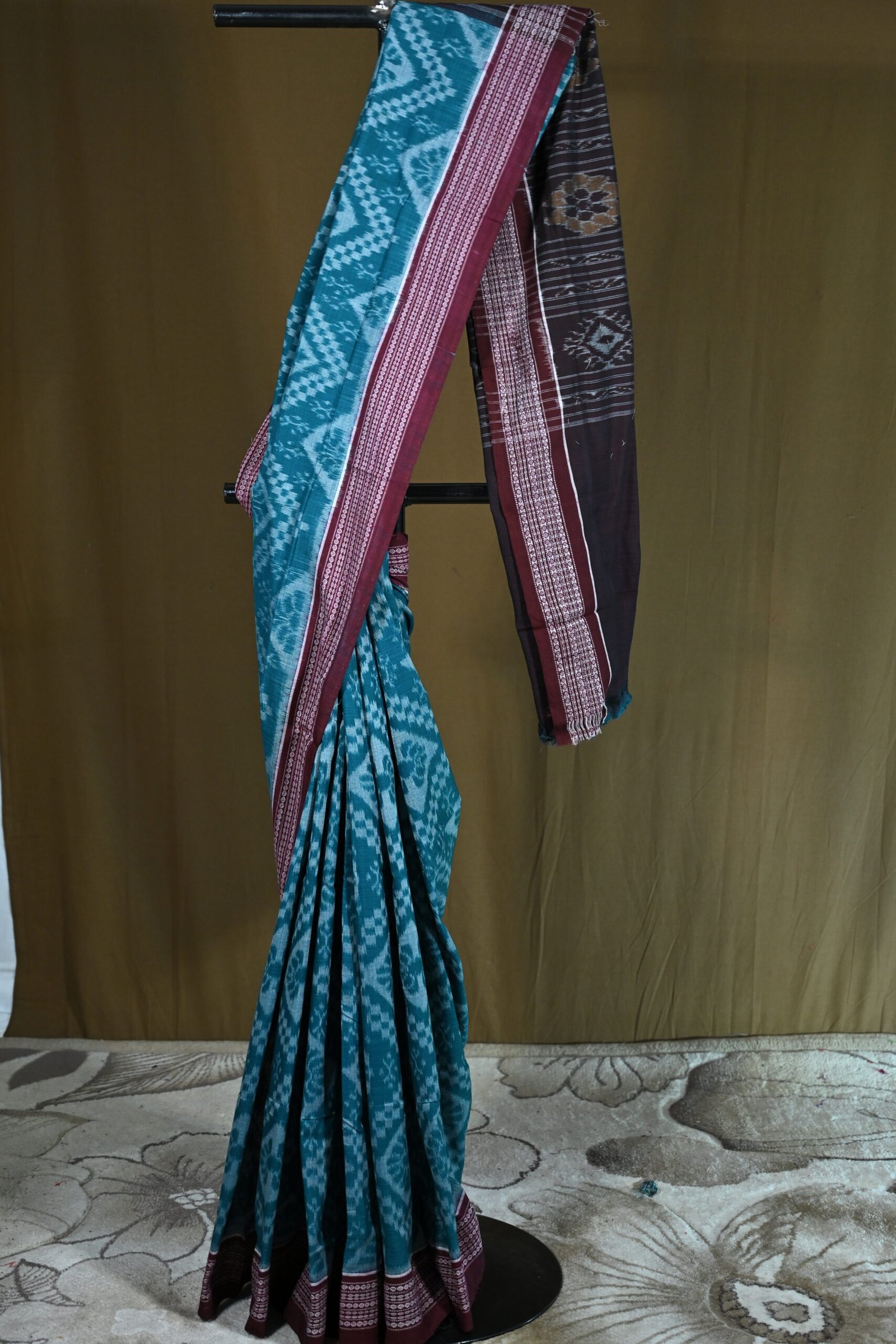
SAMBALPURI SAREE

Original price was: ₹6,109.00.Current price is: ₹3,819.00.

Fabric & Weave
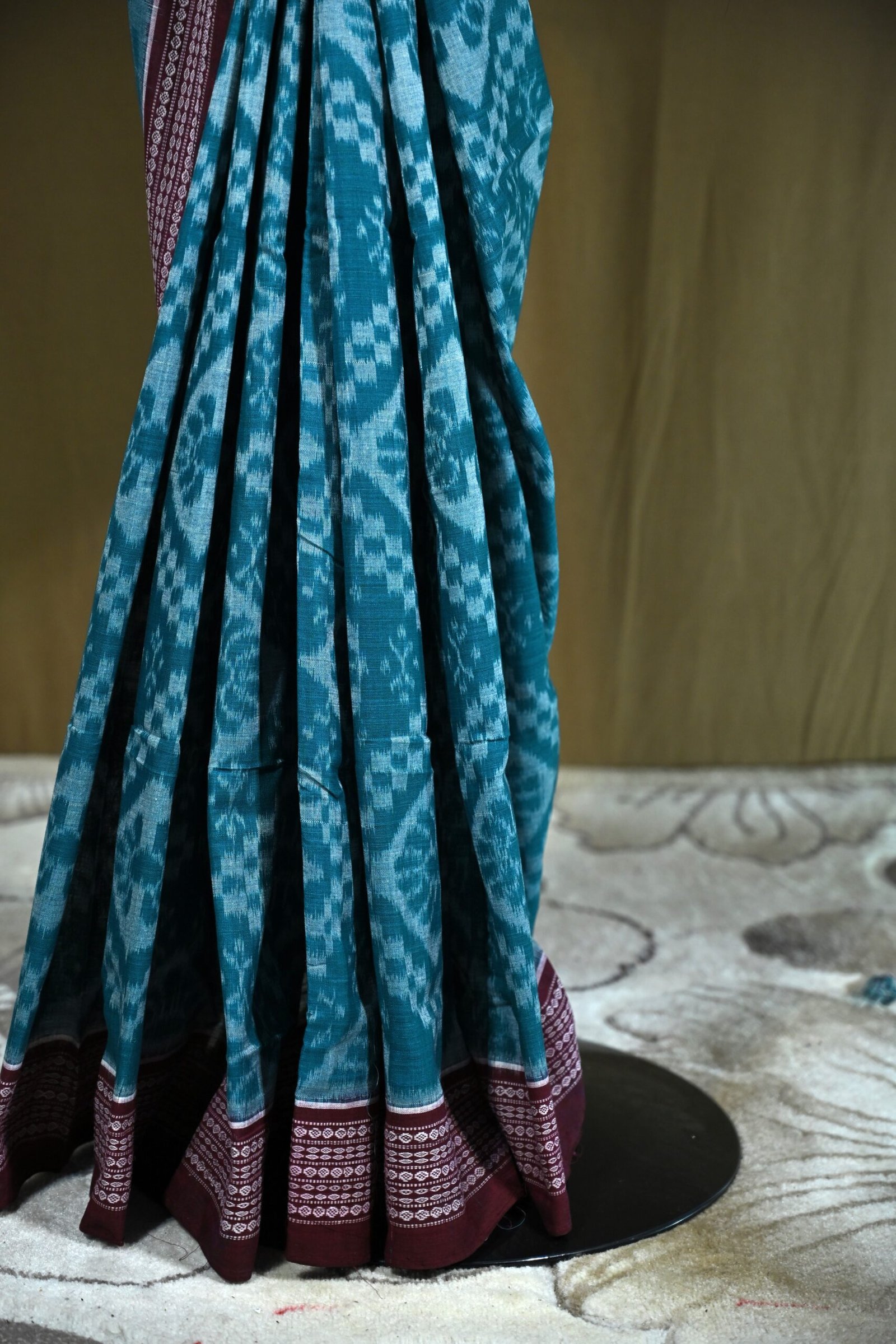
Woven in pure cotton for comfort or tussar/mulberry silk for festive occasions.

Uses the tie-dye ikat method, where threads are dyed in specific patterns before weaving—this makes the designs appear on both sides of the fabric.

The weaving process is slow and meticulous, often taking weeks or months for one saree.

Design Elements
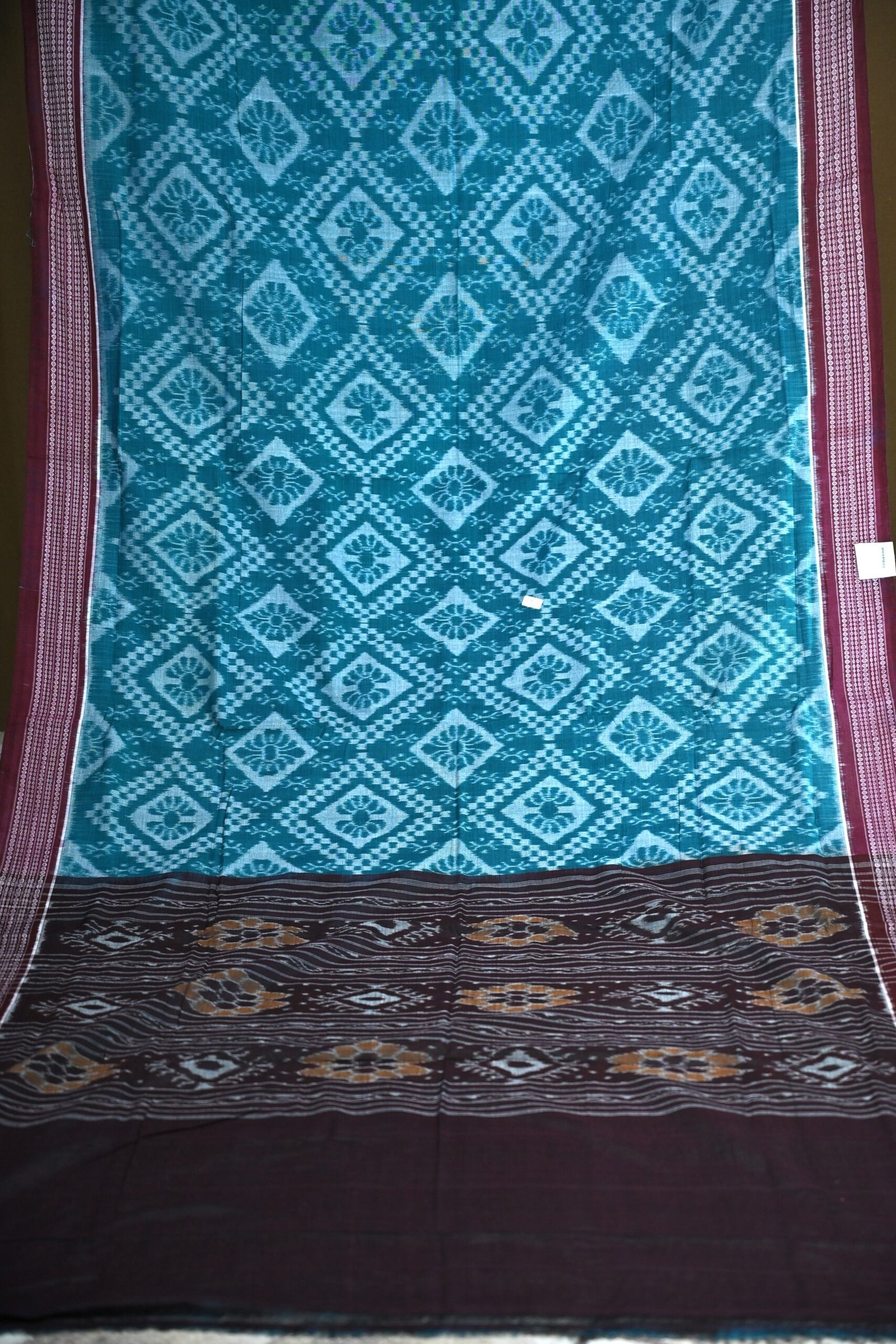
Body – Often filled with repeated motifs (butis) like flowers, wheels (chakra), shells (shankha), or fish. These motifs hold cultural and spiritual meanings, such as prosperity, purity, and cosmic balance.

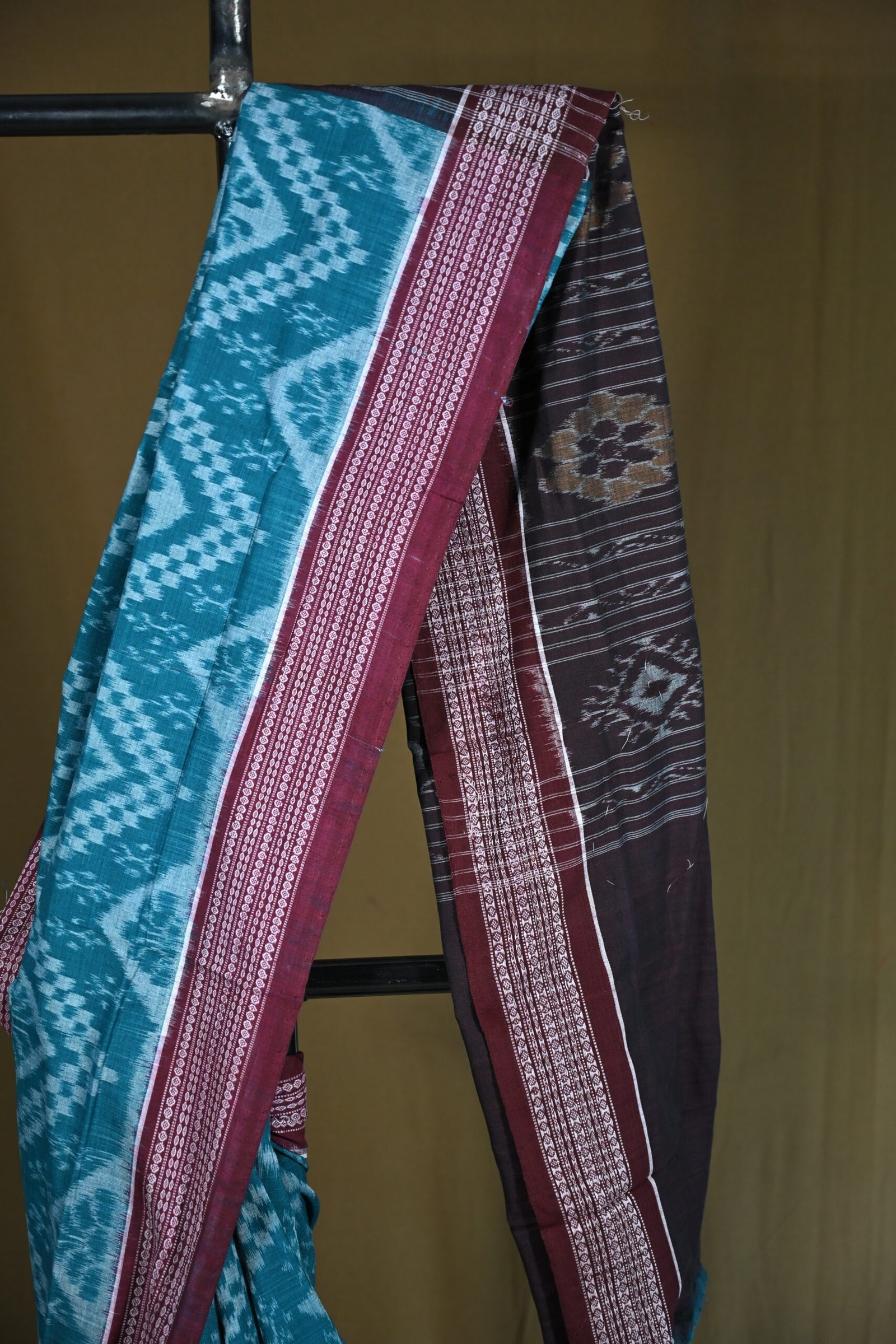
Borders – Broad, contrasting borders are common, decorated with temple spires (rekha), geometric lines, or wave patterns.

Pallu (Anchal) – The showpiece of the saree, featuring larger, more elaborate motifs—sometimes inspired by Odisha’s temple carvings or nature scenes. The pallu is usually more detailed and colourful than the body.

Colours
Traditionally dyed with natural dyes for deep, earthy tones.

Common shades: red, maroon, black, mustard, deep green, cream, and white.

Contrasts are bold: e.g., cream body with black border and red pallu, or maroon body with mustard and black accents.

Colours are symbolic—red for auspiciousness, black for dignity, white for purity, and yellow for prosperity.

Cultural Significance
A Sambalpuri saree isn’t just clothing—it’s wearable heritage.

It reflects Odisha’s temple architecture, folk culture, and craftsmanship.

Often worn during festivals, weddings, and important cultural events.

Availability: 1 in stock

SKU: SAM34599 Categories: ,

Design Details
Borders (Patti or Zari Patti)

Often feature embroidery, brocade work, or woven patterns.

Can be narrow for subtle elegance or broad for a grand look.

May include floral, paisley, temple, geometric, or abstract designs.

Body (Tan)

The main portion of the fabric, where the base pattern runs.

Can be plain, striped, checked, or covered in motifs.

Prints, hand-painting (Kalamkari), or block-printing are common on cotton sarees, while woven motifs dominate silk ones.

Pallu (or Anchal)

The most decorative part, draped over the shoulder.

Usually has heavier embroidery, zari weaving, or contrasting patterns.

May include thematic storytelling designs (mythological scenes, village life, floral vines).

Blouse

Though separate, it often complements or contrasts the saree.

Can be plain if the saree is ornate, or heavily worked if the saree is simple.

Colour Details
Monotone Sarees – A single color with different shades or a gold/silver border.

Dual-Tone / Ombre – Gradual blending of two colors, popular in silk and chiffon.

Contrasting Pallu – Body in one color, pallu in a strikingly different shade (e.g., royal blue body with magenta pallu).

Symbolic Colors

Red – Bridal, auspiciousness, passion.

White/Cream – Purity, often worn for spiritual or mourning contexts (though in Kerala, white with gold borders is festive).

Yellow – Spring festivals, turmeric rituals.

Green – Fertility, prosperity.

Black – Elegance, though avoided in certain rituals.
Reviews

There are no reviews yet.

Be the first to review “SAMBALPURI SAREE”

Your email address will not be published. Required fields are marked *

Shopping Cart
Scroll to Top